Article Read Time - 9 Mins
Share
Japanese Hair Masks: The Complete US Guide
Table of Contents
We all know how effective hair masks are at rejuvenating our locks. However, finding the best hair masks can be much easier said than done. For example, what is the best hair mask for extensions?
At Cliphair, we work exclusively with 100% Remy human hair. So, our advice is specific to the kind of hair that responds best to nourishing treatments like these.
We know how a Japanese hair mask can take your self-care regime to the next level. In this guide, we look closer at Japanese hair products and how to use them with all hair extensions.
What Are Japanese Hair Masks?
The philosophy behind Japanese hair care
Hair is horribly easy to damage. We can damage it by heat-styling it, bleaching it, or colouring it. So, when it starts looking straw-like and lifeless, why opt for Japanese hair care?
The Japanese haircare philosophy isn't simply to hide the unsightly effect. It is to thoroughly condition the hair with lightweight moisture, leaving locks long, shiny and luscious.
How Japanese hair masks differ from Western ones
With Japanese hair products, it's not hard to feel the difference. In texture, they're typically creamier, richer, and more concentrated than their Western equivalents.
It's not unusual for a Japanese hair mask to have such prized ingredients as rice bran oil, camellia oil, and keratin.
As a result, Japanese hair treatment will often deliver more bang for your buck. You don't need to use a lot of the product itself to make a big difference.
Why they went viral
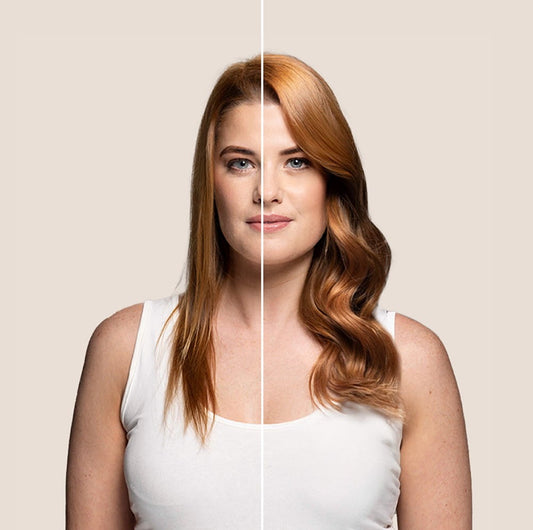
Social media influencers have been going crazy for Japanese hair care, especially the Fino hair mask. Is it any wonder? The "before" and "after" images you see on the likes of TikTok and YouTube speak for themselves.
Hair is left looking softer and shinier, with less frizz. In the UK, you can pick up a Japanese hair mask for less than £15. You can also reuse this mask many times after purchase, making it much better value than luxury salon treatments.
The Best Japanese Hair Masks to Try
Fino Premium Touch Hair Mask
A Shiseido hair mask is a must. One that's all the rage on social media is the Fino Premium Touch Hair Mask.
This Shiseido Fino hair mask is popular for various reasons. For one, its rich formula contains many tried-and-trusted ingredients of Japanese hair care products. You get honey, royal jelly extract, and silk protein all in one tub.
You typically get 230g of the stuff per tub, and a little really does go a long way. As the influencers attest, this Fino hair mask leaves hair silky soft.
How to use Fino Hair Mask
It's important to know how to use the Fino Japanese hair mask in the right way. Here's a quick step-by-step guide:
- Before you actually start using the mask, shampoo your hair and rinse it.
- Squeeze out excess water from your rinsed hair.
- Start applying the mask at the mid-lengths of your hair. Then keep applying it further up, right up to the hair ends.
- Leave the mask on your hair for three to five minutes.
- Rinse your hair to remove the mask.
Key to knowing how to use the Fino hair mask is knowing not to apply it to your roots. Doing so can leave residue that weighs your hair down.
Tsubaki Premium Repair Hair Mask
Another popular Shiseido hair mask is the Tsubaki Premium Repair Hair Mask. Camellia (tsubaki) oil is the hero ingredient. By sealing the cuticle of your hair, it adds valuable shine. It also strengthens the hair fibres to reduce breakage.
By nourishing your hair from the inside out, this Japanese hair mask certainly fits in with the wider philosophy of Japanese hair care.
Is it the best hair mask for damaged hair? It's certainly a strong contender. You can get this Tsubaki hair mask in "repair", "moisture", and "smooth" formulas.
Which Tsubaki formula to choose
If your hair has been damaged or colour-treated, you can restore it with the "Repair" formula. If your hair is too dry, the "Premium Moist" formula is your friend.
Other Japanese hair masks worth knowing
It's staggering how many different Japanese hair care products are out there, even just in the hair mask category. It's no accident that many of the best hair masks come from Japanese haircare lines, including some from familiar global brands:
- Pantene Japan
- Liese
- Mucota
- Dove Japan
- Ichikami
- Napla
Compared to the more familiar Fino and Tsubaki hair masks, though, these alternatives aren't as widely available in the UK. Here's hoping they get their own viral moment that persuades more beauty stores over here to stock them.
How to Use a Japanese Hair Mask (Step by Step)
Before you apply
Knowing how to use a hair mask is one thing. However, to make the most of Japanese hair treatment, you'll need a "clean canvas". That will mean shampooing your hair thoroughly beforehand to banish oily residue and remove any conditioner left over from previous cleans.
Next, rinse your hair and gently squeeze out excess water. Soaking wet hair will dilute the mask's effect. This is also a good time to fetch a wide-tooth comb or extension brush. You'll soon see why…
Application guide
Start adding the mask at the mid-lengths of your hair, not the roots or scalp, where grease can too easily accumulate otherwise. Also, applying the mask at the roots can loosen the bonds of any hair extensions you happen to be wearing.
From the mid-lengths upwards, though, you do need to make sure your Japanese hair mask covers everything. Remember that wide-tooth comb or extension brush we mentioned earlier? Use it now to evenly distribute the mask across your head.
Work your way right through to the ends, where your hair is at its driest. As it's the most exposed to the elements here, it's also where your hair tends to pick up the most damage.
How long to leave it on
Usually, three to five minutes is enough for a Japanese hair mask to work its magic. However, the recommended timeframe can differ from one mask to another. Some, like the Fino hair mask, need to be left on for longer to deliver the best rewards.
So, look up what is recommended on the packaging. Often, for deeper treatment, you may need to wait closer to 10 to 15 minutes.
In any case, don't worry about wrapping a Japanese hair mask in clingfilm or subjecting it to heat. These formulas don't need either!
How often to use
If your hair is dry or damaged, turn to this Japanese hair treatment once or twice a week. You can use it twice a week if your hair shows especially strong signs of damage.
Once your problem hair has healed, don't be complacent. You'll need to keep using the Japanese hair mask regularly to preserve the effect. On the plus side, for this kind of routine maintenance, adding the mask just once a week should suffice.
Can You Use Japanese Hair Masks on Hair Extensions?
On clip-in extensions
With our more than 17 years' experience in hair extensions here at Cliphair, we know better than most how certain products interact with Remy human hair.
So, in many ways, we're the obvious people to ask: can you use hair masks with extensions? Is it even possible to get a hair mask for extensions?
If you've got clip-in hair extensions, yes. You just need to be careful how you put on the mask. You don't want it to damage your clip-ins, so remove those before you start applying the mask.
Apply the mask only to the wefts, not the clips. Don't put even a dab of the mask solution on the clip attachments. Prolonged moisture can undermine the silicone lining.
Once you've left the Japanese hair mask on for as long as it needs to be, rinse the hair thoroughly and air dry it. Only then should you reattach the clip-ins. If you're still concerned about them possibly becoming damaged, think about upgrading to seamless clip-in extensions, which come with an especially strong silicone base.
On permanent extensions (tape-ins, nano rings, bonded)
Permanent hair extensions are great. They can stay in place for weeks or months at a time. You can even use a Japanese hair mask on them, but you must do so with caution.
For a start, always apply the mask from the mid-lengths to ends, well away from the bonds or attachment points. Oil-rich formulas like the Fino hair mask can loosen tape-in bonds if applied near the root area. So, keep the mask solution two to three inches clear.
Permanent extensions include tape-ins, nano rings, I-tips, flat tips, and wefts. If in doubt about which hair care products to use on them, ask your extension specialist. We can fill you in on the best hair masks for hair extensions.
What to watch out for
Be wary when using a Japanese hair mask with a heavy silicone-based formula. You could soon notice residue of it accumulating on your extensions. Tackle this problem by using a clarifying shampoo occasionally.
With rich masks, the single biggest mistake extension wearers make is applying to roots or bonds. That's why our team of extension experts recommends applying at mid-length first before moving to the hair ends, leaving the roots or bonds untouched.
When removing your mask, keep rinsing the hair until it feels clean and silky. You don't want any residue to be left over, as your extensions could become tangled otherwise.
Key Ingredients in Japanese Hair Masks
What makes them work
Why is Japanese hair care so highly regarded? Check out the ingredients of Japanese hair products. Here are some wonderful things typically used to make a Japanese hair mask:
- Rice bran oil: With its abundance of antioxidants and vitamins, rice bran oil strengthens the hair shaft from the inside out. So, lathering on this lightweight extract will help prevent your hair strands from breaking.
- Camellia (tsubaki) oil: "Let it shine, just let it shine," Take That's Mark Owen once sang about your hair. Okay, probably not about your hair, but camellia (tsubaki) oil does seal the cuticle of your hair to maximise its shine.
- Royal jelly and honey: Why does a Japanese hair mask feel so natural? Likely because it contains plant-based extracts like honey and royal jelly. These humectants draw in and retain moisture to soften your locks.
- Keratin and silk proteins: These are prevalent in the Fino Premium Touch Hair Mask. That's why it's so good at smoothing frizz and strengthening the hair fibre. In this way, it helps restore damaged hair to its former glory.
Ingredients to approach carefully with extensions
These masks do also contain some potentially problematic ingredients if you've got hair extensions. Examples include:
- High-concentration silicones (dimethicone, cyclopentasiloxane): You don't want mask residue left clinging to your Remy human hair extensions. However, this can too easily happen if you use a Japanese hair mask containing any of these silicones.
- Oil-rich formulas: The name's bond. No, not James Bond; the bond securing permanent hair extensions to the root attachment area. Keep oil-rich formulas away from the bond if you don't want it shaken or stirred.
- Fragrance: Many poor-quality formulas give off strong whiffs, but this might not be a big problem if you only use the mask on a one-off basis.
FAQs
Is Fino hair mask Japanese?
Yes. Fino is a brand by Shiseido, one of Japan’s oldest and most respected beauty companies. The mask is formulated and manufactured in Japan.
Which Japanese hair mask is best?
Fino Premium Touch is the most popular in the UK, thanks to its affordable price and visible results. Tsubaki Premium Repair is a close second, especially for damaged or colour-treated hair.
How often should I use a Japanese hair mask?
Once or twice a week is ideal for most hair types. If your hair is very dry or damaged, you can use it twice weekly until the condition improves, then dial back to once a week.
Can I use a Japanese hair mask on my hair extensions?
Yes, but apply from mid-lengths to ends only, keeping well away from the bonds, clips, or tape attachment points. Rich formulas like Fino can loosen tape-in bonds if applied too close to the root.
How long should I leave a Japanese hair mask on?
Most Japanese hair masks work in three to five minutes. Leaving Fino on for longer (up to 10 to 15 minutes) can give a deeper treatment; just be sure to rinse thoroughly afterwards.
Looking for salon-worthy hair without breaking the bank? At Cliphair, we’re here to help with high-quality clip in hair extensions for quick transformations and permanent hair extensions for long-lasting length or volume, all made from 100% Remy Human Hair. Extensions need special care and maintenance to preserve their quality, which is why we have our own hydrating haircare products, designed to keep your hair soft and tangle-free.
Need to find your closest shade match? Browse our full range of human hair extensions in over 60 shades or check out our FREE Express Colour Match Service to get a great blend with your natural hair.