Remy to The Rescue: How to Fix Damaged Hair
/ 30. MÄR 2025
Reading Time: 5 Minutes
Index
Damaged hair can be frustrating even a day-ruiner, but knowing how to fix damaged hair is the first step toward restoring your strands' health and vibrancy. Whether you’re dealing with dryness, breakage, or split ends, understanding the causes and implementing the right treatments is essential. In this guide, we’ll explore the main factors behind hair damage, highlight expert tips on repair, and recommend our high-quality products to help you achieve strong, shiny hair again. Plus, if you love our Remy hair extensions, we’ll share tips on how to keep them looking flawless!
Why Is Your Hair Damaged and What Can You Do?

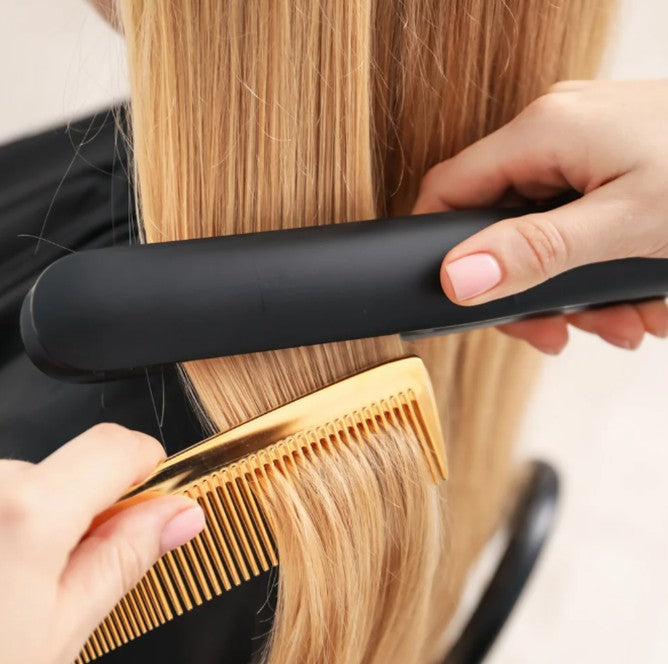
Hair damage can result from a variety of everyday practices. Excessive use of heated tools such as straighteners, curling irons, and blow dryers is one of the leading causes of very damaged hair. According to our sources, heat above 180 degrees can begin to weaken the hair shaft and cause breakage. Sleeping with wet hair is another common mistake, as it makes your strands more prone to friction and breakage. Additionally, chemical treatments like bleaching, perming, and frequent dyeing strip the hair of its natural oils, leaving it brittle and weak.
To repair damaged hair, it’s crucial to limit the use of heat, avoid aggressive chemical treatments, incorporate nourishing products into your routine and avoid incorrect care and application of professional hair extensions such as tape ins. Hair extensions aren’t damaging to your locks, but improper care, neglect or the wrong type of extension on your hair can cause complications.
Tip 1: Trim Your Locks or Get Regular Haircuts

Regular trims are vital when dealing with dry damaged hair. Split ends not only make your hair look frizzy but also lead to further breakage. By trimming your hair every 6-8 weeks, you prevent split ends from traveling up the hair shaft, keeping your hair healthier and more manageable. If you’re aiming to grow your hair out, removing dead ends will actually promote longer, healthier strands over time.
Tip 2: Naturally Dry Your Hair

Blow-drying your hair too frequently can zap moisture, leaving it parched and brittle. To repair damaged hair, give some natural drying techniques a go. After washing, gently squeeze excess water from your hair using a soft microfibre towel. For faster air-drying, use a detangling brush to remove any knots or tangles, promoting better airflow. You can also apply a lightweight leave-in moisture spray to aid damaged hair and reduce frizz while you speed up the drying process.
Tip 3: Washing Your Hair

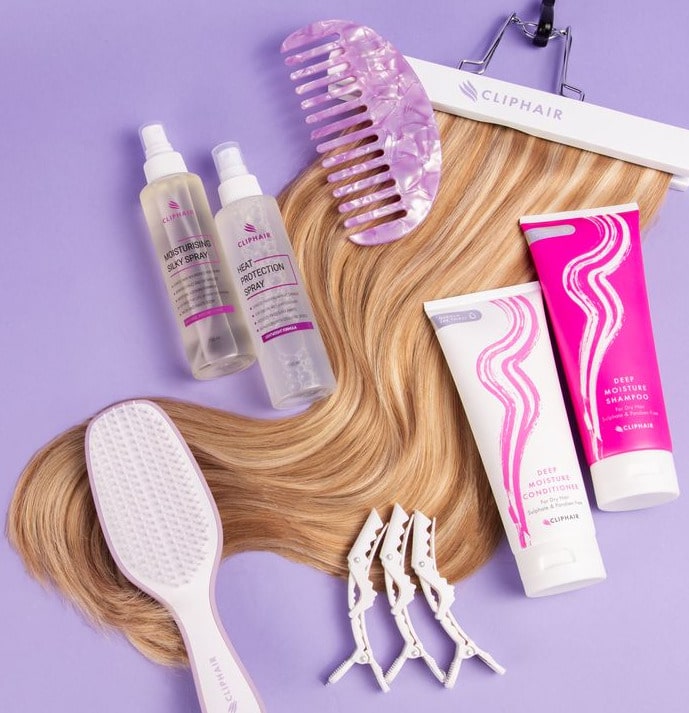
Over-washing can strip your hair of its natural oils, contributing to dryness and damage. To repair damaged hair, consider washing it only 2-3 times a week. Use lukewarm water instead of hot water to avoid further dehydration. Switch to a sulphate-free shampoo to retain moisture whilst cleansing the hair. Whilst sulphates are great for removing product build up and oil, they can actually strip the hair of natural oils too which can leave it feeling dry and dehydrated, this is especially damaging for hair extensions. It’s always best to opt for products infused with nourishing ingredients to strengthen your strands. After cleansing and conditioning, finish off with our deep conditioning hair mask to help repair damaged or dry strands.
Tip 4: Know Your Hair Products

Understanding hair product labels is essential when trying to repair dry damaged hair. Many commercial shampoos and styling products contain parabens, sulphates, and alcohols, which can strip moisture and weaken hair over time. Instead, we’ve packed our products with hydrating ingredients like argan oil, coconut oil, and aloe vera, which replenish moisture and add shine.
Our Quench The Thirst range is quite literally a hug for your hair! Shop now and explore this must-have trio for hydration and shine.
Tip 5: Know the Effects of Highlights and Dyeing Your Hair

While highlights and colouring can enhance your look, overdoing it can lead to brittle, dry, and weak strands. Frequent chemical treatments damage the cuticle, making it harder for hair to retain moisture. To protect your hair, space out colouring sessions and use deep-conditioning treatments regularly.
For tips on safely colouring hair extensions, check out this guide on dyeing hair extensions.
Tip 6: Condition Your Coloured Hair
If you have coloured or chemically treated hair, conditioning is essential to keep it hydrated and prevent further dryness. To fix dry hair that’s been coloured, our deep conditioning haircare collection is essential to restore hydration and smoothness.
Tip 7: Switch Your Pillowcase

Your pillowcase can play a role in how to fix dry hair and reduce frizz. Cotton pillowcases create friction, causing breakage and dryness. Swapping to a silk or satin pillowcase reduces friction, helping your hair retain moisture and minimising tangles. This small change can make a significant difference in maintaining healthier hair over time.
Heat Protection: Styling Your Hair Safely

Protecting your hair from heat damage is super important if you want to keep it healthy and strong. Cranking up your styling tools too high can lead to dryness, breakage, and split ends, which of course, no one wants. That’s why using a heat protection spray is a must. It creates a barrier that helps lock in moisture and reduces damage. To keep your hair safe, stick to a styling temperature of around 180°C. For an even gentler option, heatless methods like silk curlers, overnight curls and braiding damp hair are easy, lazy girl approved ways of getting effortless, bouncy curls without turning up the heat.
Bonus Tip: How to Manage Dry, Frizzy Curly Hair
Curly hair is naturally prone to dryness and frizz, making it essential to know how to fix dry hair and how to fix heat damaged hair effectively. To keep your curls hydrated, use a curl cream with nourishing oils and avoid over-washing. Let your curls air dry or use a diffuser on a low-heat setting to prevent heat damage. For added hydration, apply a serum to lock in moisture and reduce frizz.
Conclusion:
Knowing how to fix damaged hair requires a consistent hair care routine, the right products, and a commitment to healthy practices. By trimming regularly, using gentle hair products, and avoiding excessive heat, you can repair and prevent further damage. Incorporating clip in extensions or permanent hair extensions allows you to achieve fuller hair without sacrificing its health. With consistent care, you can restore your hair's vitality, ensuring it remains healthy, shiny, and beautiful!