Article Read Time - 2 Mins
What is a Layered Hairstyle?
By Abbey Wilson
Last modified on
Table of Contents
Handlevognen din
Spend kr30,00 more for Free Economy Delivery
You qualify for Free Economy Delivery
You Might Also Like
Fuktighetsgivende silkeaktig hårspray for hårforlengelser
Hair Extension Heat Protection Spray


Delsum
0,00 NOK

You're about to be redirected to our Trade website. Please confirm if you'd like to proceed.
Proceed to Trade Website
Article Read Time - 2 Mins
Table of Contents
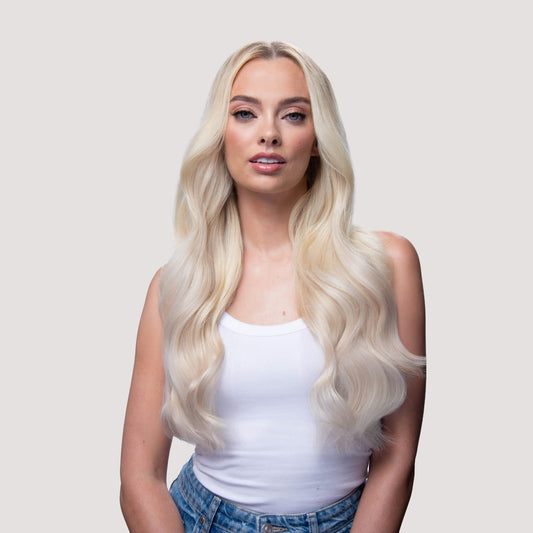
Layered hair extensions are the ultimate style upgrade, adding volume, movement, and texture . But let’s be real: a bad layering job can leave you looking like you tangled with a weed whacker, which is why many stick to poker-straight safety. This year, though, subtle layering is in – simple, chic, and so effective. Imagine a trendy twist on the 70s shag: soft, light, and effortlessly voluminous. And if you want to take the benefits of layered hair to the next level, Cliphair hair extensions are your secret weapon. Extensions add serious volume, dimension, and versatility, making styling layered hair a dream.
Want tips to keep those layers fresh and bouncy? Or need advice on how Cliphair extensions can give your layered cut extra oomph? We’ve got you covered. Get ready to fall in love with your hair all over again!
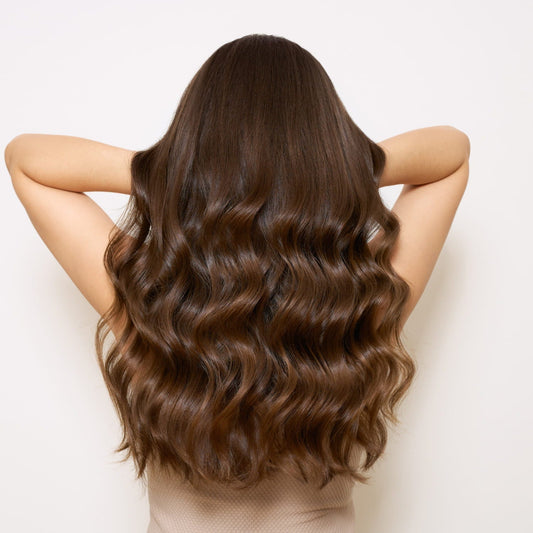
Layered hair is a form of haircut designed to reduce weight of your hair to give the illusion of length and volume. The hair is arranged into layers and the hair at the top being cut shorter than the hair beneat.
The type of layering styles available often depend on your own hair. You can have layered haircuts in any style from straight and short layered hair to long layered curls. Layering is therefore suitable for most hair types; though you should consider using hair extensions if you have thin hair, so your hair doesn’t feel or look thinner.
Layering your hair isn’t the same as thinning it. There are many different forms of layering depending on the style you are going for. Even though layering and thinning are two different cutting techniques they do both take weight out of the hair.
Where and how the hair is layered depends on the style you are trying to achieve. For example, for shaping at the front, layers are graduated in around the face to frame it when usually it is the top section of hair that is layered to add volume.
To layer using hair extensions, divide the top layer on your hairline and tie it out of the way before creating a braid with the rest of your hair. From that side, curve (creating a backwards C) and add hair from the next row heading back towards the left.
Repeat this process as you continue all the way to the nape of your neck and tie and pin left over strands back into place. You have now essentially created shelves to clip in your human hair extensions onto that won’t make the ends look like they don’t match. Untie to top layer and brush to blend.
Layered hair is more than just a hairstyle – it's a statement. With the right approach, you can enjoy the many benefits of layered hair, from volume and movement to effortlessly face-framing beauty. And if you want to elevate your look even further, Cliphair hair extensions are your go-to solution. They add unparalleled volume and depth, making your layered cut truly stand out. Ready to transform your hair? Enhance your layered style with our clip-in extensions and tape-in extensions, designed for seamless integration and instant volume. Discover endless possibilities for styling layered hair and make every day a great hair day. Explore our extensions now and unlock the full potential of your layered look!
En lagdelt hårklipp er en teknikk der håret kuttes i forskjellige lengder, og skaper en kaskaderende effekt som gir dimensjon og tekstur. De kortere lagene øverst smelter sømløst med de lengre lagene under, noe som gir hårbevegelsen og volumet. Denne metoden fungerer ved å fjerne vekt fra håret, noe som gjør den lettere og ofte mer håndterbar, noe som forbedrer den naturlige formen og strømmen i stilen din.
Lagdelte hårklipp gir mange fordeler, inkludert ekstra volum, bevegelse og evnen til å forme og konturere ansiktet ditt. Lag kan få tykt hår til å føles lysere og mindre klumpete, mens fint hår kan virke fyldigere og mer voluminøst. De gir også allsidighet i styling, slik at du kan lage forskjellige utseende, fra ruset og strukturert til elegant og glatt, avhengig av din preferanse.
Styling lagdelt hår kan enkelt tilpasses for enhver anledning. For et tilfeldig utseende, bør du vurdere løse bølger eller en rotete, strukturert finish ved hjelp av en krølltav eller havsaltspray. For et mer polert utseende, glatt og rett lagene dine med et flatt jern og tilsett et glansserum. For å oppnå et glamorøst kveldsutseende, kan du krølle lagene og pinne-seksjonene tilbake for å lage en elegant oppdatering eller halv opp frisyre. Lag gjør det enkelt å spille med volum og form som passer til hendelsen.
Lag kan tilpasses nesten hvilken som helst hårlengde. Langt hår drar nytte av lag som gir bevegelse og forhindrer et tungt, veid utseende. Hår med middels lengde ser bra ut med lag som skaper volum og sprett. Selv korte hårklipp, som bobs eller nisser, kan ha subtil lagdeling for å legge til tekstur og dimensjon. Den beste typen lagdeling avhenger av mål for hårtekstur, ansiktsform og personlige stil, noe som gjør lag til et fleksibelt alternativ for en rekke lengder.
Looking for flawless, salon-worthy hair without breaking the bank? At Cliphair, we’ve got you covered with luxurious clip in hair extensions for quick transformations and permanent hair extensions for long-lasting glam. Extensions require special care and maintenance to preserve their quality, which is why we have all the top-notch hydrating haircare products needed to keep your style on point.
Need the perfect shade? Browse our full range of human hair extensions in over 70 rich, silky shades or check out our FREE Express Colour Match Service to ensure a seamless blend every time.
 Ethically Sourced
 Outstanding Reviews
 Cliphair Rewards
 Free delivery & returns
 Buy now pay later