Article Read Time - 10 Mins
Share
7 Common Tape-In Hair Extension Mistakes
Table of Contents
Pretty much all of us can relate to feeling utterly exasperated with our hair from time to time. The struggle can be particularly real as far as tape-in hair extensions are concerned. But here’s something you should know: you don’t have to keep on struggling in silence.
There are all manner of issues that people can find themselves dealing with when it comes to tape-ins, ranging from unwanted tangles to tape slippage.
Fortunately, when you have Cliphair’s experts by your side, getting on top of those tape-in troubles doesn’t have to be as difficult as you might think. It helps, of course, to have premium-quality tape-in extensions in the first place, such as our own highly rated permanent hair extensions at Cliphair.
To help ensure you get the best out of your investment, here are seven of the most common tape extension blunders, what you can do to fix them, and the other essential things to be aware of.
1. Applying Tape-Ins to Dirty or Product-Heavy Hair
Why Oil and Product Build-Up Cause Tapes to Slip
If you have issues with tape extensions falling out, it could be that the products or dirt in your hair are preventing the tapes from gripping properly. It’s one of the quickest ways to end up with tape-ins slipping out. However, the great news is that it’s also one of the easiest problems to prevent.
Oils from your scalp, leftover conditioner residue, and dry shampoo build-up create a barrier that can stop tape-in adhesive bonding properly to your hair. When tapes simply can’t grip, they’ll begin to slide.
How to Prep Your Hair Before Your Appointment
Wash your hair the day before or on the morning of your fitting. Skip the use of conditioner and any oils near the roots, so that the adhesive has a clean surface to work with. Dry your hair thoroughly on a medium to low heat after applying a few spritzes of our Heat Protection Spray.
This is the preparation you will need to do yourself before you go and see your qualified extensionist. You should never attempt to apply tape-in extensions yourself at home.
Why Hair Quality Matters Too
Poor-quality, non-Remy tape-in extensions are vulnerable to shedding and slipping faster than 100% Remy hair pieces.
That gives you all the more reason to consider Cliphair’s Remy Royale tape-in extensions as a longer-lasting option. They’re 100% Remy, AAAAA grade, and double drawn, so you’ll be able to trust in them holding better and delivering excellent longevity.
For more information on actual tape slipping versus false slipping (when hair growth creates a gap, making it look like your bonds have slipped even though they haven’t), see our guide on why tape-in extensions slip.
2. Getting Your Tapes Wet Too Soon After Fitting
Why Adhesive Needs Time to Set
Fresh tape adhesive needs around 48 hours to fully settle. During this time, it’s best to avoid washing your hair, heavy exercise that causes excessive sweating, and long hot showers that create a lot of steam, as well as steam rooms and saunas.
Giving the adhesive time to cure will help create a stronger and longer-lasting bond.
Washing Rules for the First Few Days
After the first 48 hours have passed, gentle washing will be important to help keep both your natural hair and your extensions in the best possible condition.
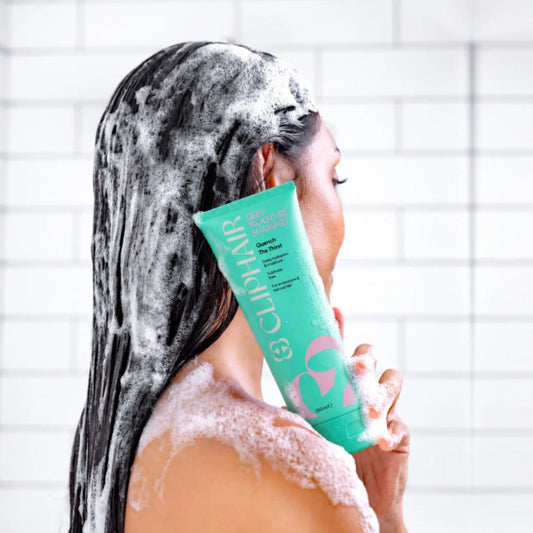
Stick exclusively to sulphate-free and alcohol-free shampoo and related products, such as our Deep Moisture Shampoo and Conditioner. Massage gently instead of scrubbing vigorously around the tapes, and rinse carefully.
Swimming and Salt Water Risks
Swimming isn’t completely off-limits for tape-in users. However, it’s also true that contact with chlorine and salt water can cause the adhesive to weaken over time.
For this reason, it’s generally best to avoid swimming while wearing tape-in extensions, or to cover your hair when you do. For further advice, look at our comprehensive article on swimming, sleeping, and working out with tape-in extensions.
3. Skipping the Right Aftercare Routine (Matting and Tangling)
The Brushing Rules That Prevent Matting
Are your tape-in extensions becoming tangled, dry, or matted? In this kind of situation, your aftercare routine is usually the best thing to look at first.
Brushing correctly, for instance, will help protect both your natural hair and the tape bonds. Make sure you always support the weft with one hand, and start brushing from the ends before gradually working upwards.
Doing this with an extension-friendly detangling brush will help protect the bonds and stop the formation of knots at the roots or between rows.
Sleeping With Wet or Loose Hair
Always dry your hair fully before going to bed. Tying it loosely or putting it in a protective hairstyle will further help reduce friction.
Our guide to sleep-friendly hairstyles sets out practical options that work well with tapes.
Products That Keep Tape-Ins Smooth
Using sulphate-free formulas is important, given that harsh cleansers can easily strip moisture from tape-in extensions and weaken the adhesive.
Even “just” combining our Deep Moisture Shampoo and Conditioner with regular brushing will go a long way to reducing tangles. Our ultimate hair extensions care guide gives you a complete routine.
4. Choosing the Wrong Placement or Skipping a Colour Match (Visible Tapes)
Why DIY or Inexperienced Placement Shows
Tapes being visible is almost always caused by issues with placement, blending, or colour selection, rather than the extensions themselves. Thankfully, it’s usually a preventable problem.
Remember: tape-ins are a professional extension system. In line with this, placement and cut-in should always be done by a qualified extensionist. It is such a capable and experienced professional who will know how to position each weft so that it stays hidden during everyday wear.
Over more than 17 years of working with professional extensions here at Cliphair, we’ve seen the profound difference that correct placement can make to comfort, longevity, and the all-round natural “look”.
How a Colour Match Prevents Obvious Extensions
While we’re on the subject of natural-looking results, it should be noted that a close colour match is one of the most fundamental aspects of achieving this.
Our Free Colour Match Service at Cliphair covers more than 50 shades, including balayage and ombre options. We’ll help you find the nearest possible match before you place your order, which will be key to ensuring a much more seamless finish with no visible tapes or obvious joins.
When a Different Method Blends Better
Do you have very short hair or a fine hairline? In that case, you may find that nano ring or I-tip hair extensions can blend more discreetly at the crown.
By browsing our full range of permanent hair extensions, you can get a clearer sense of what options will likely suit your hair best.
You can also discover further useful tips and insights in our article setting out everything you need to know about tape hair extensions.
5. Wearing High Ponytails or Tight Updos Too Soon
Why Tape-Ins Aren’t Built for Pulled-Back Styles
With tape-ins sitting very flat against the head, they lend themselves brilliantly to natural-looking hair-down looks. However, they aren’t quite so well-suited to tight styles.
Very tight ponytails or scraped-back hairstyles can place extra tension on the tapes. They may also make the wefts more visible around the sides or crown.
All this doesn’t automatically mean you can’t wear your hair up when you have tape-in extensions. However, extremely tight styles don’t tend to be the most flattering option with this extension type.
Styles That Work Well With Tape-Ins
Hair-down looks, loose waves, and low or loose updos can all be ideal choices for tape-in wearers. These styles keep the tapes hidden and comfortable.
A Better Option If You Love Updos
Are high ponytails, sleek buns, and/or pulled-back styles part of your regular look? If so, your stylist may point you in the direction of nano ring hair extensions or nano bonds instead.
These methods are often better suited to hairstyles where the roots remain more visible.
6. Leaving Tapes In Too Long Without a Refit
Why The 6-8 Week Refit Schedule Matters
It’s to be expected that your natural hair will grow over time, and that your tape-in extensions will move with them. If, though, you neglect to have your extensions refitted at the recommended interval, this can invite problems with slipping and matting.
After all, the simple process of your hair growing will gradually move the bonds further from your scalp. This increases the likelihood of slipping and tangling between rows.
Make sure you’ll well-informed on how frequently you should be having your specific tape-ins refitted. For example, while Cliphair’s Classic Tape-Ins and Remy Royale Tapes differ in their overall lifespans (three to six months for the former, and six to 12 months for the latter), both types need to be reapplied, with new adhesive tabs, every six to eight weeks.
Our experience since Cliphair was established in 2007 has shown that this schedule consistently lends itself to the best results from our tape-in extensions.
Signs You’re Overdue a Reposition
Keep alert to such classic “symptoms” as visible gaps at the root, increased tangling, or your tapes feeling looser than normal. These can all be cues to arrange a salon appointment, pronto.
Getting More Wear From Your Wefts
One of the great things about tape-in extensions is that the wefts themselves are reusable. When you make a date with your stylist for a professional refit, they’ll remove the old adhesive, apply fresh adhesive tapes, and refit the hair pieces.
This’ll enable you to continue enjoying the same wefts for multiple appointments, depending on their condition and quality. The 100% Remy, double-drawn hair used in our Remy Royale tape-ins means you really don’t have to compromise on quality when you turn to Cliphair.
You’ll find more detail in our guide to how long you can expect tape-in extensions to last.
7. Trying to Remove Tape-Ins Yourself at Home
Why DIY Removal Can Damage Your Natural Hair
It’s a mistake that extension experts like ourselves constantly warn against, and yet… it keeps happening. Yes, that’s right; we’re referring to attempting to remove tape-ins yourself.
We can’t say it strongly enough: tape-in extensions should only ever be removed by a qualified extension professional.
This message isn’t some kind of scam from the “Big Extension” lobby; professional removal is vital for protecting your natural hair. So, heeding these words would be in your own interest.
Pulling at the bonds of tape-ins risks breakage and tension damage. It’s damage that’s entirely avoidable.
What a Professional Removal Actually Involves
The process of having tape-in extensions professionally removed is much gentler than you might think.
Your stylist will normally use an oil-based, alcohol-free tape remover to dissolve the adhesive cleanly and safely. This will ensure they don’t need to pull at your hair when they then slide the extensions away.
Cliphair’s dedicated Tape Remover is very much designed for this specialised process. This product is not for self-removal at home. Instead, it is used and trusted by stylists as they strive to ensure consistently damage-free removal of their clients’ tape-ins. It can also be an indispensable product for cleaning leftover residue after such professional removals.
Dealing With Leftover Residue
It’s normal for some sticky patches of residue to sometimes remain on the hair after a professional removal. If this sounds familiar, you’ll be pleased to learn that it’s usually an easy problem to treat.
Again, this is something that your stylist should be doing for you, if necessary, during the finishing stages of a professional refit appointment.
If you’d like to know what to expect, read our article about removing hair extension glue.
FAQs
Are tape-in extensions bad for your hair?
The short answer to this commonly asked question is: no, absolutely not, provided that you’re using quality extensions and caring for them properly.
Our own permanent extensions at Cliphair, for instance, are designed with your natural hair’s health in mind. They’re lightweight, gentle on your strands, and made from the highest-quality materials.
When your chosen tape-ins use lightweight and properly placed tapes, this will greatly help minimise stress on the natural hair. You can further help protect your natural hair by following the recommended refit schedule and aftercare routine.
Combien de temps durent les extensions de cheveux de ruban?
Les rubans construits à partir d'extensions de cheveux humains durent généralement environ 6 à 8 semaines avant de devoir être maintenus et finalement réappliqués. Avec des rendez-vous de soins et d'entretien appropriés avec votre coiffeur, ils peuvent durer plus longtemps, vous donnant de beaux cheveux pendant des mois! Notre Remy Royale collection Dure généralement environ 6 à 12 mois, tandis que notre classic standard tapes Durent environ 3 mois, avec un réaménagement nécessaire toutes les 6 à 8 semaines.
How often should tape-ins be refitted?
Most wearers of tape-in extensions should book a professional refit every six to eight weeks. Your stylist may adjust this interval depending on your hair growth.
This refitting process is crucial for keeping the bonds close to the scalp and warding off the problems that overgrown placements can cause.
How much are tape in hair extensions?
The pricing of Cliphair tape-in extensions varies depending on the specific collection, length, and quantity required.
Classic tape-ins are generally the most affordable option. Invisible tape-ins, meanwhile, are the most discreet, top-quality category.
For the latest prices for tape-in extensions from Cliphair, please check our current collections.
Can I wash or swim with tape-in extensions straight away?
No. You should wait roughly 48 hours after application before you wash or swim with tape-ins, and heavy sweating should also be avoided during that time.
Once this interval has passed, make sure you only use gentle and sulphate-free products on your extensions, and take care around chlorinated or salt water.
Pourquoi choisir les extensions de bande de Clihair sur d'autres marques?
Clihair se distingue par son engagement envers la qualité supérieure et la satisfaction du client. Nos 3 types d'extensions de ruban adhésif sont fabriqués à partir de cheveux humains 100% Remy, garantissant un aspect naturel et une sensation qui se marie parfaitement avec vos cheveux. Notre bande à portée comprend notre Classic Tape Ins, Remy Royale Tape Ins Et Invisible Tape Ins, tous assis sur une hiérarchie de meilleure qualité et plus de discrétion, en particulier les bandes invisibles.
Avec une large gamme de nuances, de longueurs et de styles, Clihair fait de trouver votre match parfait sans effort. Les bandes adhésives fortes sont conçues pour la durabilité et la facilité d'utilisation, minimisant les problèmes communs comme le glissement ou l'empinet. Ajouter à cela notre soutien expert, y compris un Free Colour Match Service Et les guides de soins, et il est clair pourquoi nous sommes un choix de confiance.
Looking for salon-worthy hair without breaking the bank? At Cliphair, we’re here to help with high-quality clip in hair extensions for quick transformations and permanent hair extensions for long-lasting length or volume, all made from 100% Remy Human Hair. Extensions need special care and maintenance to preserve their quality, which is why we have our own hydrating haircare products, designed to keep your hair soft and tangle-free.
Need to find your closest shade match? Browse our full range of human hair extensions in over 60 shades or check out our FREE Express Colour Match Service to get a great blend with your natural hair.