Article Read Time - 5 Mins
Hair Broken at the Top of Your Head? Here’s How to Fix It
Table of Contents
You're brushing your hair and suddenly you notice them: short, flyaway strands sticking up at the crown of your head. They refuse to lie flat, they look frizzy, and they definitely weren't part of your haircut. Are they baby hairs? New growth? Or is it actually breakage?
If you're seeing hair broken at the top of your head, take comfort in the fact that you're not the only one. Crown breakage is one of the most common hair concerns, especially for people who regularly heat style, colour their hair, or wear hair extensions. The good news is once you identify the cause, learning how to repair broken hair and restore your strands becomes much easier.
Let's break down the most common culprits behind crown breakage and the best ways to bring your hair back to life!
Why Hair Breaks at the Crown

The top of your head might seem like an unlikely place for damage, but it actually experiences a surprising amount of stress. Here are the biggest causes.
1. Heat Styling Overload

Blow dryers, curling irons, and straighteners often start at the crown because it's the most visible part of your hair. Unfortunately, this means the top layer gets the highest concentration of heat damage. Repeated exposure weakens the hair's protein structure, making strands brittle and prone to snapping.
If you're dealing with crown breakage, one of the first steps in how to fix damaged hair is reducing heat frequency and incorporating restorative treatments like a hydrating, deep moisture hair mask and heat protection spray before heat styling into your weekly routine. Popular deep treatments such as the k18 hair mask are particularly popular because they work to rebuild damaged keratin chains within the hair fibre.
2. Tight Hairstyles

High ponytails, top knots, and slick buns look chic, but they can create tension exactly where you're noticing breakage. Constant pulling at the crown can weaken strands at the root, causing short hairs that look like frizz or flyaways. Switching to looser hairstyles and using silk scrunchies instead of tight elastics can significantly reduce stress on the hair shaft.
3. Chemical Damage

Bleach, permanent colour, and chemical treatments can make hair more porous and fragile. When hair is repeatedly processed without adequate care, it becomes far more susceptible to snapping, especially around the top layers where colour is often applied first.
Repairing chemically compromised hair requires both strengthening and hydration. This is where a targeted hair mask and the best shampoo for damaged hair can make a noticeable difference. Look for formulas that restore protein balance while also replenishing moisture.
4. Over-Brushing or Rough Styling

Aggressive brushing, especially when hair is wet, can lead to mechanical breakage. The crown area is particularly vulnerable because brushing often starts there. Use a wide-tooth comb or flexible detangling brush and always begin from the ends before working upward. Small changes like this can go a long way in learning how to repair broken hair over time.
5. Extension Damage

Hair extensions themselves aren't necessarily harmful, but improper installation or removal can absolutely cause breakage. Low-quality or poorly applied permanent hair extensions can place tension directly on the crown area, leading to snapped strands where the extensions attach. If you wear extensions regularly, choosing professional hair extensions installed by a trained stylist is crucial.
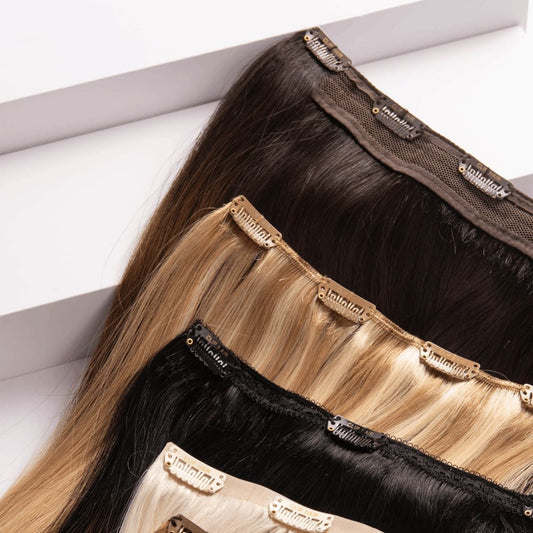
High-quality Remy hair extensions, where the hair cuticle remains aligned, are typically less prone to tangling and pulling, making them a healthier option for your natural hair. Alternatively, many people switch to clip-in hair extensions for a lower-commitment option that doesn't put constant tension on the scalp. Because clip in hair extensions can be removed daily, they give your natural hair a break while still adding instant length and volume.
How to Fix Damaged Hair at the Crown
Now that we know what causes crown breakage, let's talk about solutions. Repairing hair isn't about a single miracle product — it's about combining the right habits, treatments, and protective styling techniques.
1. Prioritise Bond Repair Treatments

When hair snaps, its internal protein structure has been compromised. Bond-building treatments are one of the most effective tools in how to fix damaged hair. Products like the k18 hair mask work at the molecular level to reconnect broken keratin chains, helping restore elasticity and strength. Using a repairing hair mask once or twice per week can dramatically improve hair resilience over time.
2. Upgrade Your Shampoo

Shampoo plays a bigger role in hair health than many people realise. The best shampoo for damaged hair will cleanse gently without stripping essential oils or proteins.
Look for formulas that include ingredients like:
- Keratin
- Amino acids
- Argan oil
- Panthenol
These help maintain hydration and reinforce the hair fibre, which is critical when figuring out how to repair broken hair.
3. Switch to Protective Styling
Reducing daily stress on your hair can prevent further breakage while your strands recover. Loose braids, low buns, or soft waves help minimise tension around the crown. If you want added volume while your natural hair heals, clip in extensions can be an excellent temporary solution. Unlike permanent extensions, which stay in the hair for weeks, clip-in hair extensions allow you to control exactly when and where you add extra length or fullness. High-quality human hair extensions blend seamlessly with natural hair and can be heat styled safely when needed.
4. Invest in High-Quality Extensions

If extensions are part of your routine, the quality of the hair matters immensely. Cheap synthetic options are more likely to tangle, pull, and create additional stress on your natural strands. Premium human hair extensions maintain the natural cuticle alignment, making them smoother and less damaging. When installed properly, professional hair extensions like tape ins or nano rings made from human hair extensions can add length and volume while still protecting your natural hair.
5. Trim Strategically
While trims won't fix existing damage along the shaft, they prevent splits from traveling further upward. Regular trims every 8–12 weeks help maintain overall hair health and improve the appearance of broken strands. Combined with restorative treatments and the best shampoo for damaged hair, trims help accelerate recovery.
Conclusion
Short, broken hairs at the crown can be frustrating, but they're also incredibly common. Heat styling, tight hairstyles, chemical treatments, and poorly installed permanent hair extensions are some of the biggest culprits.
The key to recovery is combining restorative treatments, gentle styling habits, and high-quality products. Incorporating strengthening treatments, using the best shampoo for damaged hair, and switching to low-tension options like clip in extensions or clip-in hair extensions can make a noticeable difference.
And if you do wear extensions regularly, choosing professional hair extensions made from Remy hair extensions ensures you get the look you want, without sacrificing the health of your natural hair.
With the right approach, learning how to repair broken hair isn't just possible — it's the first step toward stronger, shinier strands that behave exactly the way you want them to.