Article Read Time - 12 Mins
Share
How to Revive Dry Hair Extensions
Table of Contents
So, you've just slayed a stunning set of hair extensions, whether clip-in hair extensions for that spontaneous glam moment or permanent extensions for everyday luxury. There's a problem, though; your locks are starting to feel more Sahara than spa.
Fear not! Dry and lacklustre extensions don't have to stay that way. With the right TLC, you can revive your mane and keep those Remy hair extensions feeling alive and luscious.
At Cliphair, we've spent over 17 years specialising in premium hair extensions. So, this is the real-deal advice from people who live and breathe this stuff. Let's get into it!
Why Do Hair Extensions Go Dry?
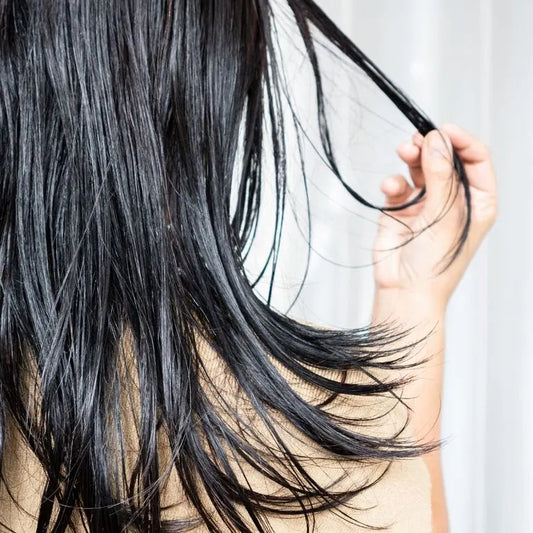
Hair extensions lose moisture just like your natural hair does. Overzealous styling, heat, harsh products, chlorine, and sun exposure can all zap essential oils and leave your strands completely parched.
Even the most luxurious human hair extensions need a little love to keep them feeling naturally gorgeous. If your natural hair's starved of moisture as well, check out our guide on how to get rid of dry hair; it contains additional tips that work across the board.
The Sebum Problem
Here's the big factor that many people miss: extensions never get your scalp's natural sebum. Your real hair does benefit from those oils, which help keep the strands soft and protected.
Clip-ins and other professional systems, though, sit away from the scalp. So, they can't self-moisturise the way natural hair does. That's why they need extra hydration from you.
Common Culprits: Heat, Products, & Over-Styling
At the centre of how to fix dry hair extensions, is knowing what is causing them to be dry in the first place. Then, you'll be able to ditch the culprits in favour of kinder products and practices.
Several everyday habits can gradually strip moisture from the hair. We're talking about such things as:
- Washing too frequently
- Using harsh, sulphate-heavy shampoos
- Styling daily with straighteners or curling wands
- Blow-drying on very high heat
- Neglecting to use heat protection products
- Using alcohol-heavy styling products that cause brittleness
The chances are that if you're suffering from dry hair extensions right now, one or more of the entries in this list will be worsening the problem.
Of course, there will be situations where you'll need to dry your hair, but you won't want to wipe out all moisture in the process. For further reading on avoiding unnecessary dehydration, consult our guide to the best ways to dry hair extensions.
Clip-Ins vs Professional Extensions: Different Care Needs
Hair extensions shouldn't all be cared for in the same way.
Clip-in hair extensions, for instance, are very much the flexible option. You can remove, wash, and treat them at home whenever you like. This helps make it a straightforward process to cleanse, condition, and oil clip-ins as part of your regular haircare routine.
Professional extensions, on the other hand, like tape-ins, wefts, nano rings, I-tips, and flat tips... that's a different story. These methods stay attached to your natural hair for weeks at a time. So, your day-to-day maintenance approach will need to focus on protecting both the hair and the attachment points.
Crucially, you should never attempt to remove or refit professional extensions yourself. Instead, use extension-safe products between salon appointments, and leave repositioning, reapplication, and removal to a qualified hair extension specialist.
Are you still trying to decide between temporary and long-term hair pieces? In that case, explore our collections of clip-in hair extensions and permanent extensions to find the best fit for your lifestyle.
The Top Causes of Damaged, Dry Extensions
Hair Quality Matters Most
The reality is that not all hair extensions are created equal. That's all the more the case when it comes to the hair used in them.
A crucial distinction to make is between single-drawn and double-drawn hair. While single-drawn hair tapers at the ends, double-drawn hair keeps a consistent thickness from root to tip. That fuller density in double-drawn extensions means they tend to hold moisture better.
Here at Cliphair, we offer extensions in both single-drawn (AAA Standard) and double-drawn (AAAAA Remy Royale) varieties. Our AAA Standard collection is our entry-level, budget-friendly line, as opposed to the maximum fullness offered by the premium AAAAA Remy Royale range.
If, then, you're looking for extra thickness and longevity, our seamless, double-drawn extensions are an excellent choice.
Do bear in mind, though, that all Cliphair extensions are made from 100% Remy human hair with cuticles aligned correctly. This factor, on its own, allows our extensions to resist dryness far better than non-Remy or synthetic alternatives.
Hair colour is a major factor not to overlook, too. Lighter and blonde shades go through more processing, so they can be more prone to dryness regardless of their quality grade.
Environmental Culprits: Sun, Hard Water, & Sea Water
Sun Exposure
Ultraviolet (UV) damages hair like it damages the skin. Yet, while most of us probably appreciate by now the importance of skin protection and sun cream, you might not be alert to your natural hair and hair extensions being just as vulnerable.
Without proper hair extension maintenance and protection, your locks could dry out rapidly from sun damage.
Hard Water
Hard water is water that contains high levels of minerals such as calcium and magnesium.
In many parts of the UK, the tap water is hard. When this hard water is used on extensions, the minerals can build up on the hair over time. This can leave the hair feeling rough and looking dull, in addition to making it harder for conditioners to penetrate properly.
Hard water, then, can be bad news for both your real hair extensions and your natural hair.
Sea Water
If you're lucky enough to live by the sea, taking care of hair extensions is extra important. The sea is full of salt and minerals, which can strip moisture fast from your hair pieces.
So, try to avoid soaking your strands in sea water if you can, and always follow up with proper care. Our guide on how to take care of hair extensions on holiday covers the full short-break routine.
Chlorine & Swimming Pools
Swimming pool lovers also need to be vigilant about the risks to their hair pieces. Pool chemicals can dry hair and strip out colour. If, then, you take frequent dips, regular oil treatments will be essential for keeping your locks healthy.
Step-by-Step Hair Extension Revival Routine
Cleansing with Care
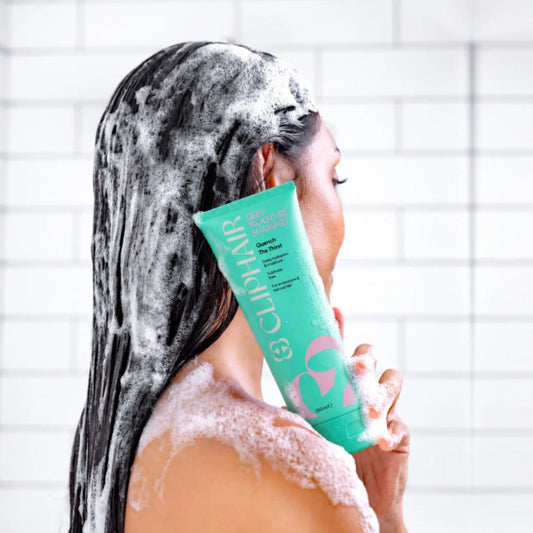
Start with our Deep Moisture Shampoo for hair extensions. Gently massage the lather from the roots (or the top of the weft/clip area) down the length of the hair, and rinse thoroughly.
Condition Like You Mean It
After shampooing, follow with our Deep Moisture Conditioner. Massage through the mid-lengths to the ends, and let the extensions soak up the hydration. Even for clip-ins that aren't attached to the scalp, this step helps replace the moisture your hair would naturally get.
Mask Magic, Twice a Week
Slather on our Deep Moisture Hair Mask on dry or slightly damp extensions twice a week. Pop on a shower cap, binge-watch your favourite show for 20 minutes, and turn those desert-like strands into something soft and shiny again.
The Oil Treatment: Your Rescue Remedy
An all-natural oil treatment is one of the best ways to revive dry hair extensions. It mimics the sebum your strands are missing.
So, let's dive in.
Choosing Your Oil
Gently towel-dry your extensions until damp. Then, warm a small amount of coconut oil, argan oil, or jojoba oil between your palms.
How to Apply It Without Weighing Hair Down
Use a tiny amount of oil on the mid-lengths to ends only. Avoid the roots and any attachment points such as clips, bonds, or tape. This will help keep things light, while preventing slip or residue where you don't want it.
How Often to Repeat the Treatment
Once a week works as a solid top-up for most people.
Do your extensions feel particularly dry, perhaps after heavy styling, swimming, or a holiday? In that case, you've always got the option of doing the treatment two or three times a week until they bounce back.
Ultimately, it's consistency in your routine that'll most help bring back softness and shine.
Caring for Professional Extensions
Why Professional Extensions Need a Different Routine
The question of how to look after hair extensions will always have a different answer when the topic is professional options like tape-in extensions, wefts, nano rings, I-tips, and flat tips.
These methods remain attached to your natural hair between salon appointments and aren't designed for regular removal. So, your day-to-day care routine for these extensions will need to focus on protecting both the hair itself and the attachment method.
You should be focusing your hair extension maintenance approach, then, on keeping everything secure and hydrated until you're next in the salon.
Product-Safe Care Between Salon Visits
Keep oils and heavy products away from the roots and bonds. Brush gently from the ends upwards. Also take care to avoid using any products that could loosen tape adhesive.
Our tape-in extensions here at Cliphair come with accessories such as Tape Remover and Spare Tape Packs, that your stylist will use during maintenance. Critically, these are professional tools, not at-home "DIY" items.
When to See Your Stylist
Always book in with a qualified hair extension specialist for repositioning, reapplication, or removal.
In terms of how often you arrange a salon appointment, this will probably be around six to 12 weeks, depending on the specific extension method.
Our own Classic Tape-Ins, for example, typically last about three to six months, and are reapplied every six to eight weeks. By comparison, a six-to-12-month lifespan is typical for our Remy Royale Tape-Ins, Nano Rings, Nano Bonds, I-Tips, and Flat Tips, with all these types of hair pieces usually being repositioned every eight to 12 weeks.
Don't try to handle any of these specialised processes at home.
Heat Tools & Styling: The Smart Way
Always Use Heat Protection First
We're pretty sure you already know, but let's recap for good measure. Heated tools can be the enemy of soft, healthy-looking human hair extensions.
So, make sure you always apply heat protection spray before reaching for any hot tools.
Keep the Temperature in Check
Keep your tools under 180 °C (350 °F). Higher heat fries the hair and speeds up dryness.
Styling Tips for Extensions Specifically
Work from the mid-lengths down, in small sections at a time to help ensure even results. Avoid clamping directly onto clips, tapes, or bonds.
Allow time for curls to cool, before you finger-comb them for that effortless-looking finish.
Everyday Habits to Keep Extensions Fresh
Sleep Smart
Remember, you're basically living in your extensions! So, sleep on satin or silk pillowcases to help reduce friction.
If you wear clip-in extensions, always remove them before going to bed, and give them a gentle brush.
Detangle Daily, Gently
Start from the ends and work upwards with our Detangling Brush. Detangling daily will help prevent the knots that can lead to breakage and dryness.
Protect Extensions When Swimming
Cover or tie back your hair pieces before you enter the pool or come into contact with sea water.
If your hair extensions must get wet, make sure you wet them first, before applying leave-in conditioner or a hair mask.
You can find full vacation tips in our holiday care guide for hair extension wearers.
Quick Fixes When You're in a Fix
The 30-Second Oil Smooth
Rub a tiny amount of argan or jojoba oil between your hands, before lightly smoothing it over dry ends. The sparing use of this 30-second technique will instantly reduce flyaways and give you healthy-looking shine, without making your hair look greasy.
Silky Spray + Detangling Brush Refresh
Extensions looking dull between washes? A few sprays of Moisturising Silky Spray, followed by a gentle brush with your Detangling Brush, can help revive the texture of your hair pieces without the need for a full wash.
If frizz is also becoming an issue for you, our guide to banishing frizzy hair offers even more tips to help keep your hair smooth in every season.
The Quench the Thirst Range: Your Go-To Haircare Kit
What's in the Range
Every fabulous extension routine needs the right supporting cast:
- Our Deep Moisture Shampoo stores hydration without stripping. This helps create the perfect foundation for glossy clip-in or permanent hair extensions.
- The Deep Moisture Conditioner delivers intense nourishment. It's perfect for keeping your Remy hair extensions silky and supple.
- For hair spa vibes, look to our Deep Conditioning Hair Mask. After 20 minutes, voilà: ultra-soft, refreshed locks ready for anything!
Who's It For
Whether you wear clip-ins you can treat at home, or professional extensions that stay in between visits to the salon, the haircare essentials that make up our Quench the Thirst range are for you.
Our experts in hair pieces and extension care understand just how much of a vibe-killer dry hair extensions can be. This is why we've developed a collection of products designed to support the different care needs we touched on earlier in this guide.
By combining your use of these proven products with consistent habits and the benefit of our specialist knowhow, you can be well-placed to keep your hair pieces soft, shiny, and manageable.
Frequently Asked Questions
- Can dry hair extensions be revived, or do they need replacing?
In many cases, yes, dry hair extensions can be revived with proper cleansing, conditioning, masks, and oil treatments. However, if the hair has become severely damaged through excessive heat, chemical exposure, or general wear over a longer period, it might be best to have the extensions replaced instead.
- Why are my new hair extensions dry and frizzy?
New hair extensions may be especially likely to feel dry if they're made from lower-quality hair, if they've been heavily processed, or if they've been stored or transported in dry conditions. A couple of deep moisture treatments and a light oil is often enough to make them soft and shiny again.
- How often should I oil my hair extensions?
Once a week is a good starting point or "baseline" for a lot of people. If your hair pieces feel especially dry after swimming, holidays, or heavy heat styling, it might be a good idea to temporarily increase the frequency of oil treatments to twice a week.
- Can you use dry shampoo on hair extensions?
Yes, but you should only do so sparingly. Apply it mainly to your natural roots or the top section of the clip-ins, rather than directly onto the extension hair. Choose a light formula and brush through thoroughly, so that it doesn't build up and dry out the lengths.
- Can hair extensions air dry naturally, or do they need to be blow-dried?
They can air dry, and this is often the gentlest way to dry hair extensions. Just make sure they're fully dry before you store or sleep in them. If you prefer to blow dry, keep the temperature below 180 °C (350 °F), use heat protection, and keep the air flow moving.
Looking for salon-worthy hair without breaking the bank? At Cliphair, we’re here to help with high-quality clip in hair extensions for quick transformations and permanent hair extensions for long-lasting length or volume, all made from 100% Remy Human Hair. Extensions need special care and maintenance to preserve their quality, which is why we have our own hydrating haircare products, designed to keep your hair soft and tangle-free.
Need to find your closest shade match? Browse our full range of human hair extensions in over 60 shades or check out our FREE Express Colour Match Service to get a great blend with your natural hair.