How To Air Dry Your Hair
/ 4 MARS 2022
Reading Time: 5 Minutes
Index
You know that magical moment in shampoo adverts where a model’s hair cascades in perfect, glossy waves? If you’ve ever attempted to achieve that look without the tell-tale frizz or limpness, then you’re in the right place. Welcome to your ultimate guide to air-drying hair effectively – where achieving healthy, voluminous, and styled locks becomes less of a fantasy and more of a daily possibility. If your hair is on the frizzier side due to air drying, our blog will teach you how to combat that! We’ll be sharing air-dry hair tips that go beyond simply stepping out of the shower and hoping for the best, with a deep dive into healthy hair air-drying secrets and the best products for air-drying hair.
Whether you have naturally curly textured hair or pin-straight tresses, it’s all about finding the right strategies to minimise heat damage while maximising style. Get ready to master natural hair air-drying like a pro, because luscious, effortless hair shouldn’t come at the cost of fried ends and heat-ravaged strands!

What Is Air Drying?
It’s as simple as it sounds: air-drying your hair means letting your mane dry without the use of a blow-dryer.
Is Air Drying Your Hair Bad?
No it’s not! Don’t mind the rumours – all sorts of experts have voted yes to letting your hair dry naturally. When in doubt, always remember that everything that is natural and gentle to your body is exactly what your hair was designed to endure / benefit from. Without the threat of heat stripping out moisture over time, your strands have lesser chances of becoming dry and frizzy.

Can Anyone Air-Dry Their Hair?
While curly hair especially lends itself to great results, even straight and spaghetti-like fine hair can look fabulous with heatless styling – provided you use the right products. On this note, air drying is perfect to help hair retain its natural texture – over time, you may even find out that the straight-ish annoying strands that you were struggling to style, are actually voluptuous wavy locks that were weighed down by product excess and stressed by heat damage. Now you’re not only saving time, but you also get to embrace your gorgeous head of hair with minimal effort.
When Is A Good Time To Air-Dry My Hair?
The best time to take an extended (if not permanent?) break from your blow dryer and/or curling iron and hair straighteners is during undoubtably the summer months. I mean, it’s only obvious that during the warmest time of the year your hair will dry quicker than in the winter - plus working with your hair’s natural texture gives you a low-maintenance style!

How To Air Dry Hair:
Unless you’re going for tousled beach waves straight out of the surf, you’ll want to wash your hair before air-drying. So, lather up with a shampoo and conditioner! If you wear clip-in hair extensions, make sure to remove them before washing your hair.
STRAIGHT HAIR TIP: Want more volume? Shampoo twice to make sure there is no product build-up on your scalp. Unless you suffer from dry-scalp, avoid thick and heavy shampoos, conditioners and hair masks that will weigh down your tresses. If you are wearing tape-in hair extensions, double shampoo isn’t recommended.
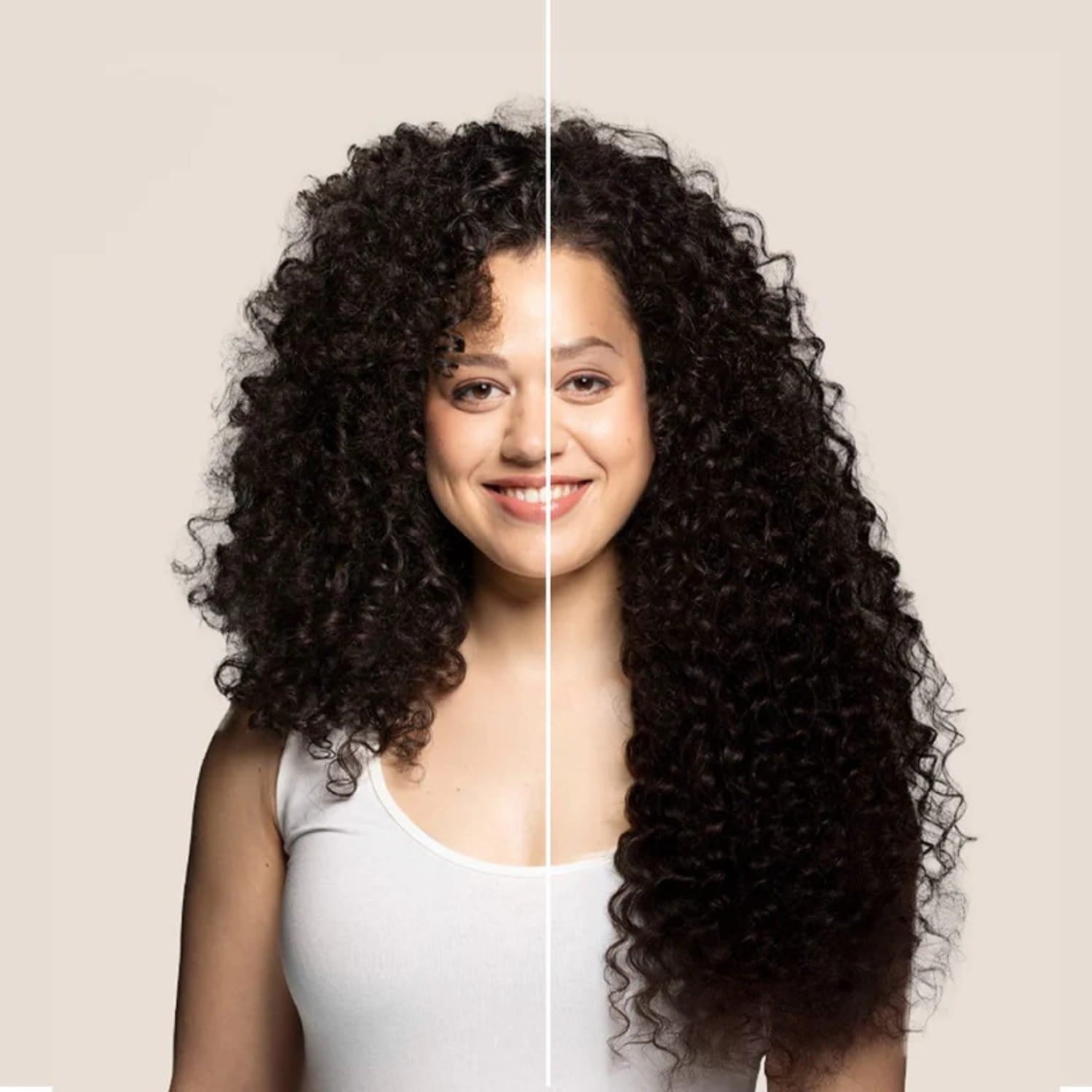
CURLY HAIR TIP: Curls thrive on moisture, so avoid over-washing and invest in a good conditioner instead. For intense hydration, try swapping conditioner out for a hair mask and wrapping hair in a hot towel to let all the good stuff sink in your hair shaft.
WAVY HAIR TIP: Ah, yes, the best of both worlds. Listen to what your hair needs. If it’s parched, soak up a nourishing hair mask. If it’s feeling flat, try a double shampoo or a single round of clarifying shampoo. You do you.
For super-shiny results, after making sure you rinse your hair thoroughly to remove all shampoo and conditioner residue, seal the cuticle and lock in moisture by rinsing your strands with cold water. This will also help you prevent frizz. Towel drying your hair to absorb the water in excess right after your shower is crucial: and guess what – you’re probably not doing it right! Therefore, if you belong to those people who rub the towel on their head, I suggest you switch to gently patting and squeezing the water out of your strands instead. Also, make sure you’re using a microfibre towel.

Tips For Air-Drying Hair According To Your Hair Type
As you can imagine, even something as simple as using a towel can vary, depending on your hair type.
STRAIGHT HAIR TIP: Keep on patting on your hair until it’s only slightly humid.
WAVY HAIR TIP: Aim for your hair to feel wet, but not damp and shapeless.
CURLY HAIR TIP: Just get rid of the water in excess.
If this is not enough or taking too long, you can also gently wrap your hair in the towel and leave it in for approximately 20 min. For curly hair, also see “plopping”:
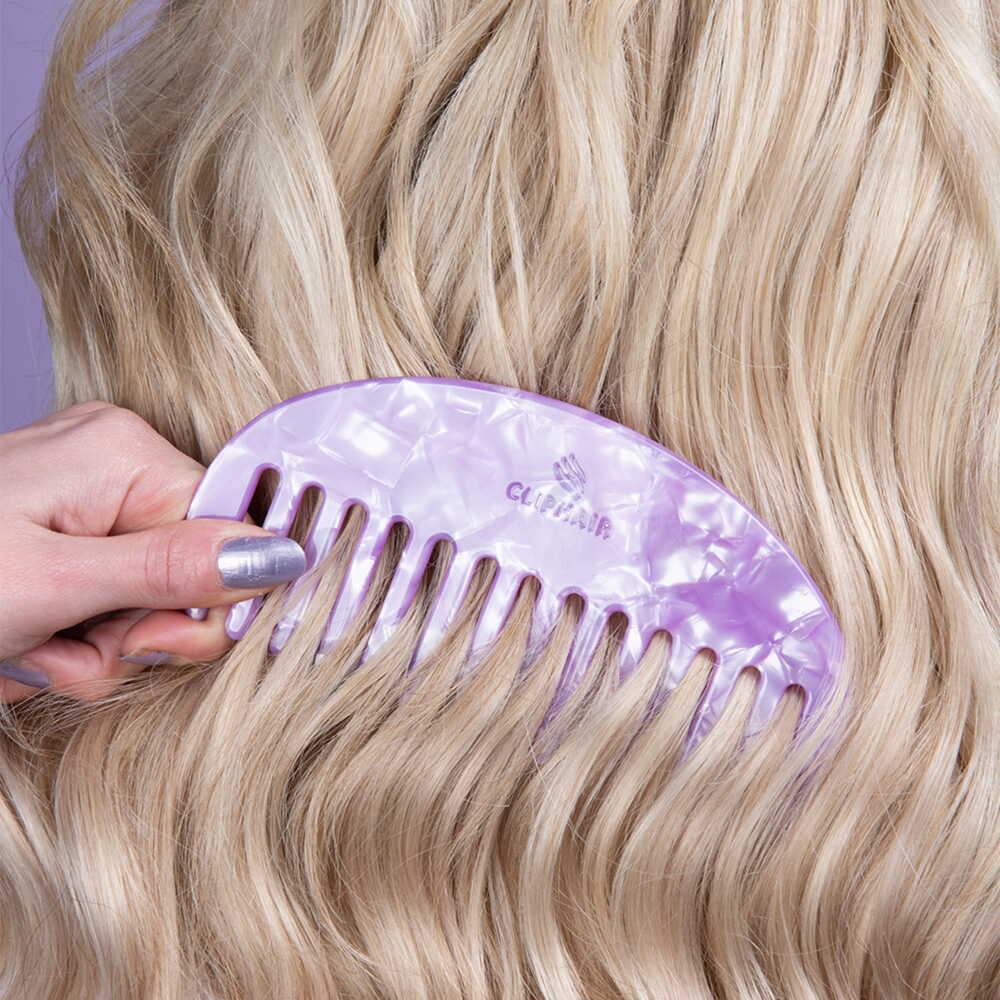
After you take the towel out, now it’s time to untangle your tresses. Hair is at its most fragile when wet, so ditch your regular hairbrush for a wide toothed comb for this process.
TIP FOR ALL HAIR TYPES: Before combing, apply a light leave-in conditioner to the ends and mid-lengths. Follow up by dividing your hair into sections and gently combing it through each section created, working from the ends up to the roots to prevent breakage.
CURLY HAIR TIP: Try detangling manually with your fingers, to protect the natural corkscrew shape of your locks.
Now your hair is partly dry and detangled, it’s time to apply your leave-in styling products. From volumising mousses to sea salt sprays, to each their own. No matter what your favourite styling product is, this is the last step to follow for a great air-dried look. To enhance shine and prevent flyaways, apply a few drops of your favourite hair oil to finish and seal the cuticles for good. You’re all set!

Conclusion:
Now you’ve unveiled the secrets to air-drying your hair like a true pro, you’ll need to keep a hold on these all-important air-dry hair tips. By embracing the right healthy hair air-drying techniques and investing in the best products for air-drying hair, you can finally bid farewell to heat damage and hello to gorgeous, natural hair. Remember, it’s all about finding a routine that works with your hair’s unique texture and needs. Whether your goal is to achieve soft, frizz-free waves or bouncy, voluminous curls, you now have the tools to make your air-dried locks look nothing short of runway-ready. So, next time you reach for the blow dryer, think twice – because your healthiest, most beautiful hair might just be one perfect air-dry away!